Craftsmanship, performance, and why the right sail changes everything
Sail making sits at the intersection of tradition, engineering, and performance. For centuries, sails powered exploration, trade, and adventure. Today, while materials and technology have evolved dramatically, the essence of sailmaking remains the same: transforming wind into motion with precision and reliability.
Whether you’re a coastal cruiser, a bluewater adventurer, or a competitive racer, your sails are your engine. Understanding how they’re made—and why quality matters—can dramatically improve your experience on the water.
A Brief History of Sail Making
Early sails were made from natural fibres like flax and cotton, hand-cut and stitched by skilled artisans. These sails were heavy, prone to stretching, and required constant maintenance.
Modern sailmaking has embraced advanced materials such as Dacron, laminated composites, and carbon fibre. These innovations allow sails to hold their shape longer, perform better in varying conditions, and last significantly longer.
Yet despite these advancements, sailmaking is still deeply rooted in craftsmanship. Every sail is a custom-built tool designed for a specific vessel, purpose, and sailing style.
The Sail Design Process
Creating a sail is far more than cutting fabric. It begins with a detailed design process that considers:
- Boat specifications (length, rig type, displacement)
- Sailing conditions (coastal, offshore, racing, cruising)
- Wind range and performance goals
- Rig geometry and hardware setup
Modern sailmakers use advanced computer modelling to simulate how a sail will perform under load. This ensures optimal shape, efficiency, and durability before the first panel is even cut.
Materials Matter
The choice of material has a major impact on performance and longevity:
1. Dacron (Polyester)
- Durable and cost-effective
- Ideal for cruising sailors
- Resistant to UV and wear
2. Laminates
- Layers of film and fibers bonded together
- Excellent shape retention
- Popular for performance cruising and racing
3. High-Tech Fibres (Carbon, Aramid, Dyneema)
- Extremely strong and lightweight
- Minimal stretch for maximum efficiency
- Typically used in high-performance racing sails
Each material is selected based on how the sail will be used. A long-distance cruiser may prioritise durability, while a racer demands precision and speed.
Construction Techniques
Once designed, sails are constructed using one of several methods:
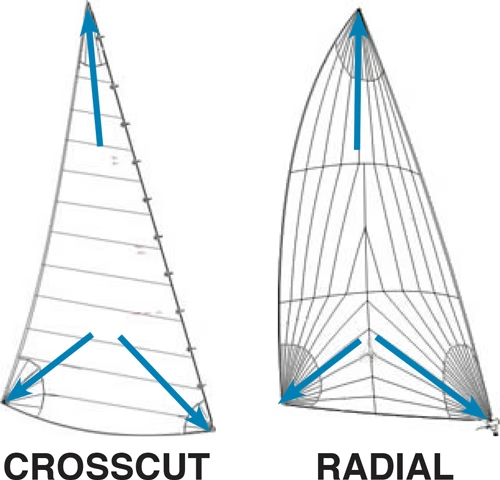
Cross-Cut Sails
Panels run horizontally. These are durable and economical—perfect for everyday cruising.
Radial-Cut Sails
Panels radiate from load points, distributing stress more efficiently. This results in better shape retention and performance.
3D Moulded Sails
Constructed in a mould to create a seamless aerodynamic shape. These represent the cutting edge of sail technology.
The Importance of Fit and Finish
A sail must integrate perfectly with your rig. Small inaccuracies can lead to:
- Poor performance
- Difficult handling
- Premature wear
Professional sailmakers take precise measurements and consider every detail—from reef points to batten placement—to ensure a perfect fit.
Finishing touches such as reinforced corners, UV protection, and quality stitching can make the difference between a sail that lasts a few seasons and one that performs reliably for years.
Sail Maintenance and Longevity
Even the best sails require care. To extend their life:
- Avoid unnecessary flogging
- Store sails dry and protected from UV
- Inspect regularly for chafe or damage
- Schedule periodic servicing
A well-maintained sail not only lasts longer but performs better every time you hoist it.
Why Custom Sail Making Matters
Off-the-shelf sails rarely deliver optimal performance. A custom sail is tailored specifically to your boat and sailing style, offering:
- Improved speed and efficiency
- Better handling and balance
- Increased safety in challenging conditions
- Greater long-term value
In sailing, small gains in efficiency translate into significant real-world benefits—especially offshore.
Ready to Upgrade Your Sailing Experience?
If you’re considering new sails, repairs, or simply want expert advice, now is the perfect time to take the next step. A professionally crafted sail can completely transform how your boat performs and feels on the water.
Get in touch today for a free, no-obligation quote.
Whether you’re planning your next coastal passage or preparing for a major offshore journey, expert guidance is just a conversation away.